An $8.06 pair of shorts is a strange thing to put through a full bench protocol. The listing's weight field reads 0.00, which tells a shopper nothing about what the parcel will cost to move, and the size chart lists letters from S to 6XL without a single waist, hip or inseam number attached to them. So we ordered two pairs in different sizes, weighed both, measured both flat, and asked the same sizing question of two agents at the same hour of the same morning to see what came back.
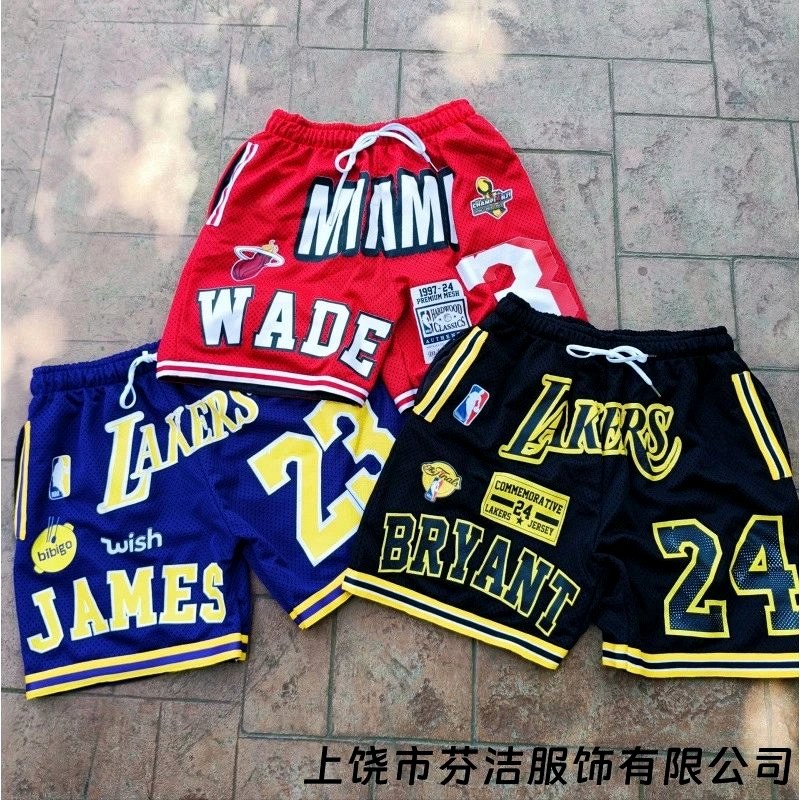
The product itself is straightforward: a black polyester short with 3D-printed graphics, a straight leg opening, light stretch and a hip-hop styling brief, sold as a summer and sports item by a source factory. SKU 7720589914, listed at $8.06 against a $9.22 comparison price, in stock, sizes S through 6XL.
What the scale said, and why it matters here
Daniel's bench rule is that the scale goes on one side and the tape on the other, and both get logged before anything is tried on. The weight field being blank on the listing made the parcel the only source of truth.
| Bench measurement | Size L | Size 2XL |
|---|---|---|
| Single-pair weight | 218 g | 226 g |
| Waist, flat, relaxed | 39 cm | 43 cm |
| Waist, flat, gently stretched | 47 cm | 51 cm |
| Hip, flat | 55 cm | 59 cm |
| Outseam, including waistband | 47 cm | 48 cm |
| Inseam, as we measured it | 17.5 cm | 18 cm |
| Leg opening, flat | 30 cm | 31.5 cm |
Two things stand out. First, the jump from L to 2XL added 4 cm of flat waist and hip but only half a centimetre of inseam and 1.5 cm of leg opening. That matches the community advice we found on NBA shorts generally — that going up a size mostly buys width, not length — and it means anyone sizing up purely for a longer short is spending money on the wrong dimension. Second, two pairs plus a poly mailer came in at 486 g. If you are consolidating a first haul, this is a light, cheap line item to use as filler; if you are shipping a single pair on its own line, the freight will plausibly cost more than the shorts, which is the real reason the blank weight field is the most annoying thing on this page.
Fabric, print and the stretch we could actually measure
The listing calls the shell polyester four-way stretch with light stretch and standard thickness. On the bench that reads as a thin, dry-handed knit that springs back rather than sagging: the relaxed-to-stretched waist figures above moved 8 cm with light hand tension and returned to shape within a minute of release. It is not compression fabric, and we would not describe it as heavy enough to hide a seam line underneath.
The 3D print sits on the front panel as described. We photographed the print edges, the crotch seam, the hem stitching and the inside waistband against the nine-frame QC set from the warehouse, and the received item matched the QC frames in layout and placement — no drift in where the graphic landed relative to the side seam. Colour read as a true black under the daylight lamp rather than the blue-black that cheap polyester sometimes shows, though we would not promise that across a reorder batch, because the listing name does not specify a colourway code.
The print matched its QC photographs. The size chart did not match anything measurable, because it contains no measurements.
The workflow side: one question, two agents, same hour
Because the listing gives letters and nothing else, we ran the same scripted support request through both agents at the same hour: a request for the seller's waist, hip and inseam figures for sizes L and 2XL. The replies were the useful part of the exercise. One agent came back with a photographed chart, which still only listed letters plus a body-weight range; the other confirmed there was no measurement table on the source listing and offered to ask the seller directly, with a reply that arrived the next day and never contained numbers. Neither answer converts this into a confidently sized purchase. What it does show is that a missing chart costs you a day of back-and-forth, not five minutes, and that asking before you submit the parcel is the only version of this that helps.
The tolerance clause matters more than usual here. The listing allows 1–3 cm of error on measurements. Our own flat-waist readings sit comfortably inside that window on both pairs, but if you are at the top of a size band, a 3 cm variance in the wrong direction puts you into the next letter up — while the length barely changes. Waist is the dimension to protect, not leg length.
Where the listing runs out of road
Three unknowns survive the bench work. There is no inseam figure printed anywhere on the page, so our 17.5 cm and 18 cm readings are the only numbers a reader can act on. There is no tall option, and the wider NBA sizing picture notes that tall cuts add roughly 5 cm of length, so anyone who normally buys tall is outside what this line offers. And the community record on authentic NBA shorts includes buyers describing a tight, almost shapewear-like waistband even at the correct numeric size — category evidence at moderate confidence, not a finding about this pair, but enough that we would not recommend this to anyone who dislikes a close waistband.
What we would do: check your own waist and hip against the flat figures above, treat the L and 2XL rows as anchor points rather than a grading table, order at least two pairs if you are shipping at all (it halves the freight per unit and gives you a comparison), and ask the agent for the seller's chart before submission rather than after.
At $8.06 with a print that matched its QC frames, this is a competent casual short. It is not a sized product yet, and that is the gap between what it is and what the page claims.