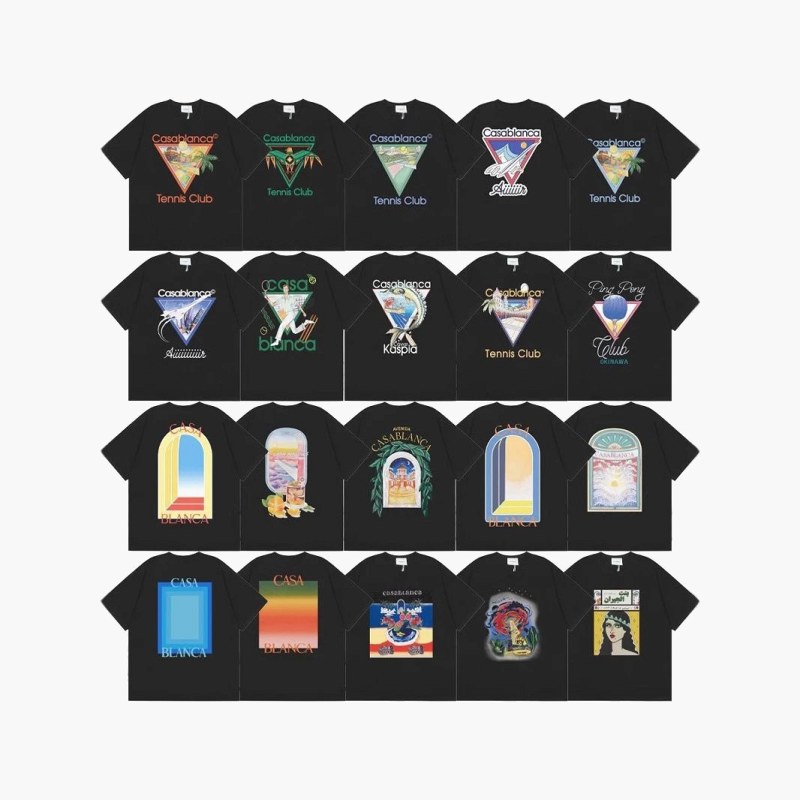
An eight-dollar cotton tee is not a difficult purchase. What makes this one interesting is the paperwork around it: a 250 g fabric claim, a stated 1–3 cm measurement tolerance, a loose cut, raglan shoulders, and variant codes running from 37 up to 90 in black and white. Our testing team ordered the black version at $8.81 (down from $9.27), logged it through an agent's QC stage, then measured the delivered shirt flat on the bench beside a scale and a tape measure.
What arrived, and what the bench recorded
The parcel reached the desk as a single poly mailer, and the listing's own shipping-weight field read 0.00, so the bench supplied the number instead: 0.41 kg for the packed parcel, 0.246 kg for the shirt in size L. The shirt carried a printed neck label rather than a woven one, the crewneck ribbing sat flat with no twisting, and the black dye read even under the daylight lamp with no lighter patches at the shoulder seams.
| Measurement | Bench reading (size L) | Listing position |
|---|---|---|
| Chest, pit to pit, flat | 54 cm | Loose fit, 1–3 cm tolerance |
| Body length, collar seam to hem | 71 cm | Loose fit, 1–3 cm tolerance |
| Raglan sleeve, collar seam to cuff | 24 cm | Short sleeve |
| Hem width, flat | 54 cm | Straight hem |
| Fabric weight, 10 × 10 cm swatch | 24.6 g | 250 g |
| Shirt weight, size L | 246 g | Not listed |
The swatch calculation is the most useful line in that table. A 10 × 10 cm cut weighing 24.6 g scales to roughly 246 g/m², which lands inside normal sampling variance for a 250 g claim. Cotton, raglan sleeve, print-dye finish and collarless crewneck all matched the description we ordered against.
The raglan shoulder is doing the work
Raglan construction means there is no shoulder seam to fight, and on a loose cut that matters more than the chest figure. Our tester, 178 cm and usually a medium in European brands, wore the L over a plain tee and had room to spare through the body without the neckline gaping. The sleeve opening sits wide rather than tapered, which is the right call for summer wear but will read as boxy on narrower frames. Because the seams run diagonally from collar to underarm, the shirt drapes from the collar rather than hanging off a shoulder point — the practical result is that the 54 cm chest reading flatters a broader back better than the same number on a set-in sleeve.
The stated 1–3 cm tolerance is worth reading literally. Two shirts from the same variant code can sit at opposite ends of that window, so a chart figure of, say, 53 cm should be treated as a range rather than a promise. We taped our sample once on arrival and again 48 hours later after it had hung out of the mailer; the numbers did not move beyond 0.5 cm.
Variant codes: 37 through 90, two colourways each
This is the part of the listing that needs a buyer's full attention. Instead of names, the variants are numbered — 90 down to 37 — each offered in black and white. That is dozens of artwork options attached to a single row, and the main product photo only shows one of them. Before approving the agent's QC set, we matched the code we wanted against the QC photographs of the actual folded shirt, checking the graphic's size relative to the chest seam and the colour count in the motif. A code alone tells you nothing about which cartoon or geometric print you are getting.
Print, wash cycle and what held
We photographed the front motif under the lamp, ran the shirt through one cold machine wash inside out and air-dried it flat. The print showed no lifting at the edges and no visible change in colour density; the black body picked up no noticeable fade, and the ribbing returned to shape after drying. One wash cycle is a snapshot, not a durability study, and the print-dye process used here behaves differently from a heavier plastisol application — we would keep future washes cold and inside out.
Where the buyer reports split
External Casablanca buyer threads describe the cotton as thick, close to the thickest the posters own, with graphic prints rated at A+ quality, and one thread calls the tee quality excellent and close to the original. That lines up with what we felt on the bench. Sizing reports, however, conflict: some buyers advise sizing down for a tailored fit, others call the shirts true to size, so the chart is the only reliable anchor. A single Trustpilot report describes a defect appearing after minimal wear and a refused replacement — one report, not a pattern, but enough to justify keeping the agent's after-sales terms in writing before ordering.
Agent workflow notes
The order itself was routine. We submitted the item link, confirmed the variant code and size in the order notes, and asked our scripted support question at the same hour we use for every comparison: what happens if the QC photos show the wrong artwork. The reply came back inside the working day, confirming the variant would be re-checked before dispatch. The 0.41 kg parcel weight is the number that matters for consolidation — at this price, the shirt is a filler item inside a larger haul rather than something worth shipping alone.
What we would tell the next buyer
Treat the code, the chart and the QC photographs as three separate confirmations before the parcel leaves the warehouse. Measure a tee you already like, compare the chest and body length to the size chart rather than to your usual letter size, and accept that a loose cut at this price is the point rather than a compromise. The cotton weight is real, the raglan seam is the reason the drape works, and the print survived a wash cycle without moving.